
Justin’s Hero Experience: Finding His Way Back
Before The Reboot Project, I wasn't in a great place with myself.
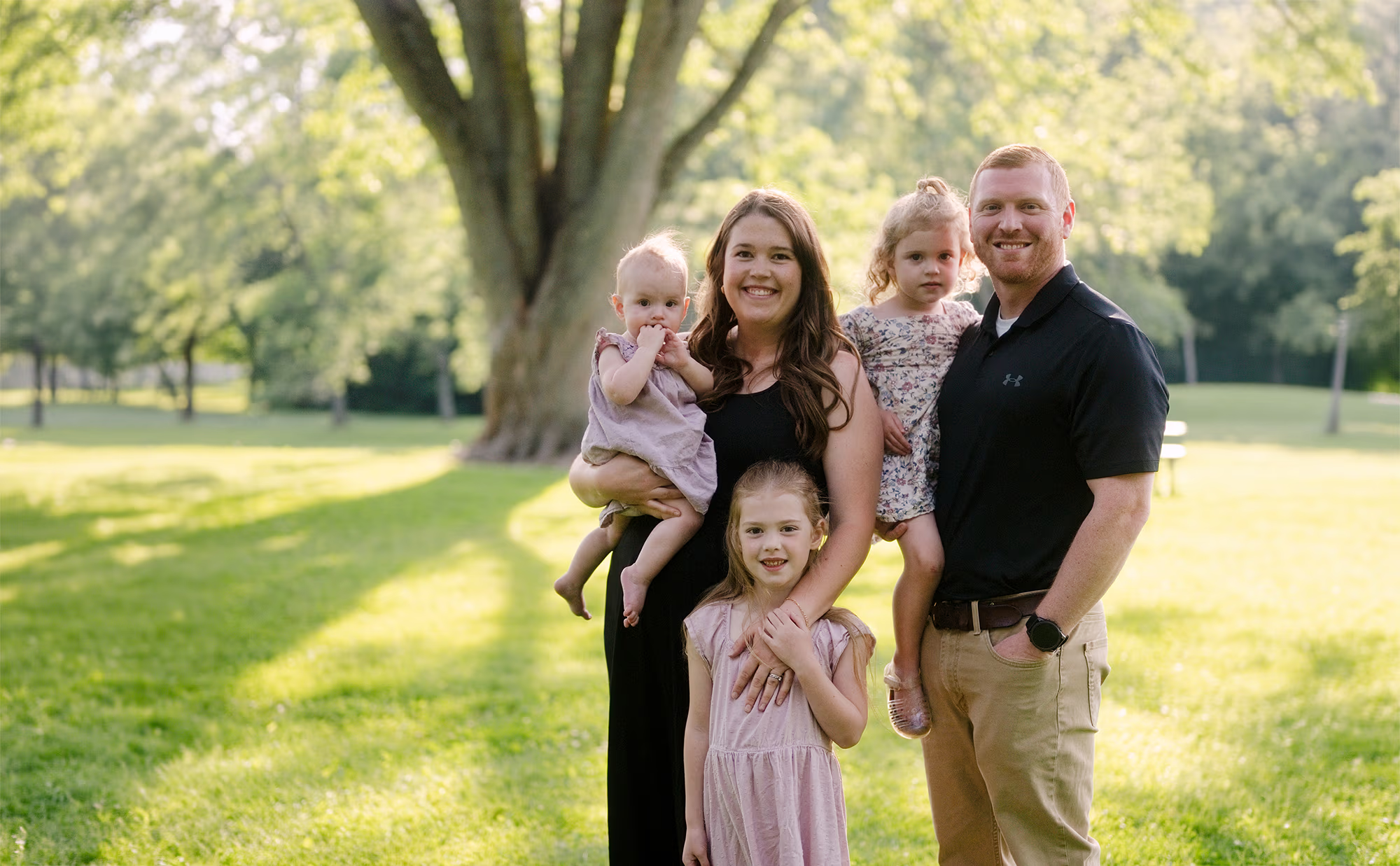
I had a beautiful wife, three wonderful daughters, a good career, and a life I had every reason to be thankful for. But somewhere along the way, I'd gotten comfortable. Too comfortable, really.
I'd stopped setting goals for myself. I wasn't challenging myself physically or personally, and I had lost a lot of the drive and ambition that used to be such a big part of who I was.
What bothered me most was that I knew it.
I was pretty hard on myself about the person I'd become. I'd look in the mirror and think about how far I'd let myself go, how much motivation I'd lost, and how different I was from the guy I used to be. I wasn't particularly kind to myself, and that negativity eventually started affecting how I felt about everything else.
I had a great family and a good life, but I wasn't happy with myself. I knew something needed to change.
An Unexpected Introduction
Funny enough, I first learned about The Reboot Project through bourbon.
I'm involved in the bourbon community here in central Indiana, and I came across a charity post from Bryan Bush supporting an organization called The Reboot Project.
I was curious, so I started looking into it.
The program combined physical fitness, nutrition, personal development, accountability, and a challenge that would eventually take us to Colorado to climb a 14,000-foot mountain.
It sounded like something I needed.
I wasn't necessarily looking for someone to tell me how to live my life. I knew I needed to make changes. What I hadn't figured out was how to get myself moving in the right direction again.
I decided to apply.
Getting Back to Work
I started The Reboot Project on December 1, 2025.
The first 45 days focused on nutrition and physical fitness. I started learning how to eat better, lose weight without sacrificing muscle, and build habits I could actually maintain.
There wasn't anything magical about it. I needed to be consistent, put in the work, and stop making excuses for myself.
As I started seeing progress physically, I also began working with Gina on some of the things I'd been struggling with personally.
Those conversations ended up having a much bigger impact on me than I expected.
I'd spent years being my own worst critic. I could find something negative to say about myself pretty much anytime I wanted. I was overweight, disappointed in myself, and constantly comparing who I was with who I thought I should be.
During one of our conversations, I opened up to Gina about how I talked to myself and some of the things that went through my head.
She stopped me and said something I'll never forget.
"Justin, that isn't God. God would never say those things to you. That's someone else, and I think we both know whose voice that is."
That hit me pretty hard.
My faith has always been important to me, but I hadn't really thought about my negative self-talk in that way before.
I had spent so much time tearing myself down that I'd almost convinced myself those thoughts were true.
Gina helped me look at that differently.
Psalm 139:14 says, "I praise you because I am fearfully and wonderfully made."
I'd heard that verse before, but it started to mean something different to me.
I could recognize that I needed to improve without believing I was somehow less valuable because I wasn't where I wanted to be.
That was a big change in how I approached things.
I still have days when those old thoughts show up. I don't think years of thinking a certain way just disappear overnight. But I'm much better at recognizing what's happening and not letting myself stay in that place.
For me, that alone made joining The Reboot Project worthwhile.
Learning to Lean on Other People
Another thing I had to work through was my tendency to handle everything on my own.
I've always been pretty independent. If something needed to get done, I figured it was my responsibility to make it happen. If I was struggling with something, I generally kept it to myself.
I didn't necessarily expect that to change through this program.
But during our summit week in Colorado, I got to know the other Heroes in my group, Jack and Payton.
Payton and I connected almost immediately.
We talked about our lives, our families, and some of the things we'd struggled with over the years. We were able to have conversations that I probably wouldn't have had with someone I'd just met under normal circumstances.
I appreciated that more than I expected.
I also started realizing that the people involved with TRP genuinely cared about how I was doing.
And they weren't afraid to challenge me.
Nobody was there to tell me everything I was doing was great or that I didn't need to change anything. There were expectations, goals, and people who wanted to see me follow through on the commitments I'd made.
But there were also people willing to listen and help when I needed it.
I'd spent a lot of time believing I needed to figure everything out myself. Through TRP, I started to understand that there's nothing wrong with having people in your corner.
The Trip to Colorado
For nearly ten months, we'd been preparing to climb Grays and Torreys Peaks in Colorado, both more than 14,000 feet above sea level.
I was excited to finally get out there and put all the training to use.
What surprised me was that the actual climb wasn't nearly as difficult as I'd expected.
That's not to say climbing a 14er is easy. It isn't. But I felt physically prepared, and mentally I was in a much better place than I'd been when I started the program.
I'd already spent months doing things I used to avoid. I'd gotten more disciplined, made progress toward my goals, and started dealing with some personal issues I'd ignored for a long time.
By the time we got to Colorado, I felt ready.
As we got closer to the summits, though, I started getting emotional.
I looked around at the mountains and thought about how much had changed over the previous several months.
I thought about my wife and daughters, the people who had helped me get there, and how fortunate I was to have the opportunity to do something like this.
My faith was a big part of that moment, too.
I felt grateful to God for the life I'd been given and for helping me through a period when I wasn't particularly happy with myself.
I had gone into the program thinking that climbing a mountain would be the big accomplishment.
And it was an accomplishment. I'm proud of it.
But standing up there, I realized I was probably more proud of the work I'd done before we ever got to Colorado.
I'd made changes in my life that I had been putting off for years.
The mountain gave me an opportunity to recognize that.
Doing This for My Family
My wife and daughters have always been a big part of why I wanted to make these changes.
For a long time, I felt like I wasn't living up to the husband and father I wanted to be.
It wasn't because my family was telling me that. Those were expectations I had placed on myself.
Through my conversations with Gina, I started to better understand how I could work toward being a better husband and father without constantly beating myself up in the process.
I want my daughters to see someone who takes care of himself, sets goals, works hard, and follows through on his commitments.
I also want them to see someone who can admit when he's struggling, ask for help, and recognize that he doesn't have to have everything figured out.
Those things are just as important to me.
I'm still working on all of it. I don't think you ever really reach a point where you're finished trying to improve yourself.
But I feel much better about the direction I'm heading.
What's Next
During summit week, Gina and I talked about how it felt like I was closing one chapter of my life and starting another.
That's probably the best way I can describe where I am today.
I'm not the same person who started The Reboot Project in December.
I've gotten healthier, regained a lot of my motivation, and started setting goals for myself again. I'm more confident in my ability to follow through on those goals, and I have a much better understanding of how to handle some of the things that used to hold me back.
I also know I have people I can reach out to when I need support or accountability.
One of the things I appreciate most about TRP is that graduating doesn't mean those relationships go away.
I still have goals I'm working toward, and I intend to stay involved with the people who helped me get to this point.
To the Veteran Who Might Be Where I Was
If you're a veteran reading this and some of what I've described sounds familiar, I'd encourage you to take a serious look at The Reboot Project.
I can't tell you what your experience will look like because everyone's situation is different.
I can tell you that the program gave me an opportunity to address things I'd been putting off for a long time.
It wasn't always comfortable. I had to be honest with myself about where I was struggling, and I had to be willing to make changes.
Nobody could do that work for me.
But having Gina, the other Heroes, and the TRP community supporting me made a difference.
I'm grateful to Bryan for creating this opportunity and to everyone who invested their time in helping me along the way.
I started this program because I wanted to get back into shape and feel better about myself.
I accomplished those things, but I also came away with a stronger connection to my faith, some great relationships, and a much better outlook on where I want my life to go.
I still have plenty of work to do, and I'm good with that.
For the first time in a long time, I'm looking forward to the challenge.
Ready to apply?
Take the first step in your Reboot, it just might change your life.